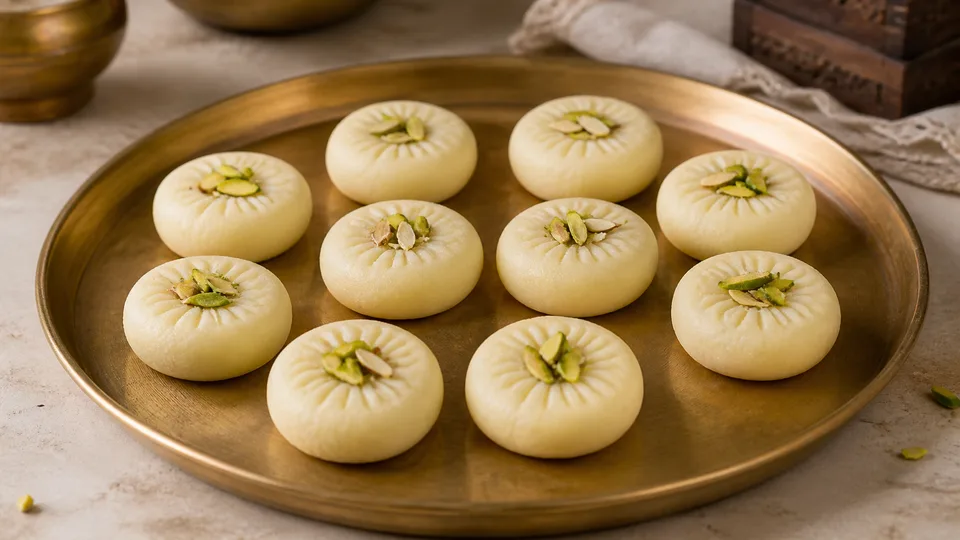
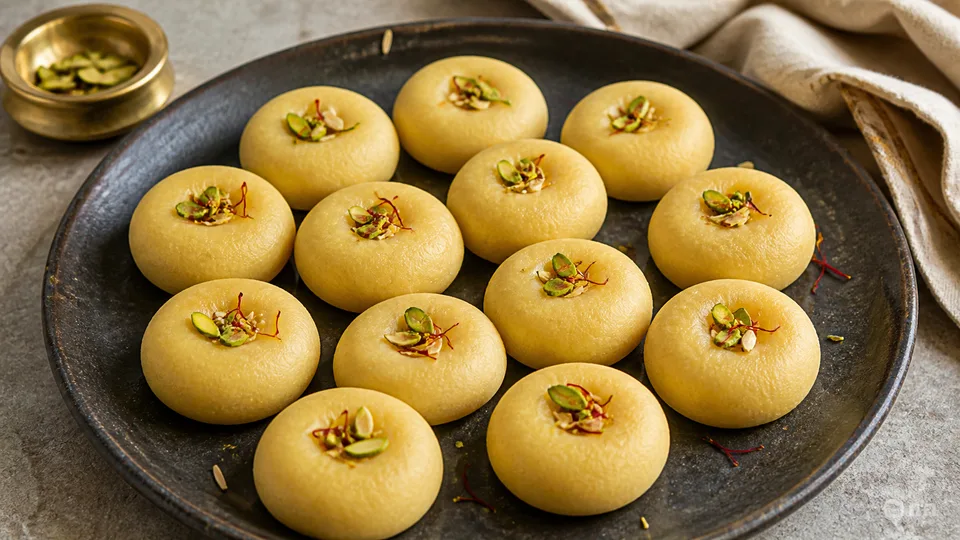
Simple, practical, and full of everyday flavour, How to Make Ghee (Homemade Ghee Recipe) is a vegetarian Indian condiment made with simple everyday ingredients in about 25 minutes. The recipe lays out the ingredients and each cooking step clearly, so you can adjust seasoning, texture, and serving size for your own kitchen.
Recipe Snapshot
- Prep time: 5 minutes
- Cook time: 20 minutes
- Total time: 25 minutes
- Yield: 101 · 101 teaspoons
- Category: Condiment
- Cuisine: Indian
Ingredients
- 500 grams butter (- unsalted, preferably cultured)
Method
Cook and Simmer Butter
- Take a large, heavy-bottomed pot or pan. Chop butter roughly and place in the pan covering the entire surface of pan evenly.
- Place pan on stovetop and heat on medium-low to medium heat. The butter will begin to melt.
- Stir in intervals when butter begins to melt to assist the larger pieces. When all the butter has melted, reduce heat to the lowest setting and simmer gently.
- About a minute or so after all the butter is melted, you will hear sounds from the bottom of the pan and see milk solids appearing on the surface.
- The entire surface will be covered with milk solids. Continue to simmer.
- You will see the color change gradually to a from a buttery, pale yellow to light golden with the butter bubbling and shimmering. Continue to stir occasionally.
- After some time, the milk solids will begin to settle at the bottom and the surface will start to look clearer.
- Continue to simmer for a couple of minutes after all the milk solids have settled.
Make Ghee
- When you see medium to large sized bubbles forming on the top and the entire mixture is bubbling, you are almost done! Continue to simmer for a 1 to 2 minutes more.
- Remove from heat and place the pan on the countertop. You will see a layer of fine tiny bubbles on the top. Don't worry - these bubbles go away as the ghee gradually cools.
- The milk solids will begin to caramelize and turn golden from the residual heat, and you will see the color of ghee become darker.
- Wait until all the simmering stops and you see the browned bits of milk solids at the bottom.
Strain
- While the ghee is still hot, pour it through the strainer or cheese cloth placed on top of a glass jar.
- If your pan isn't very heavy, simply lift it and pour the ghee. I used a heavy ceramic coated cast iron pan, so using a ladle made this process easier.
- Use ghee as required. I recommend pulling out enough ghee for a week or so worth of cooking and keeping it in a small container in the kitchen.
- Store the rest in a cool, dark spot in the pantry for best storage. If stored well, ghee can last up to one year at room temperature.
Kiyaan Singh’s Kitchen Note
Keep this recipe as a working base: cook once as written, then adjust spice, texture, and serving style for your own table.