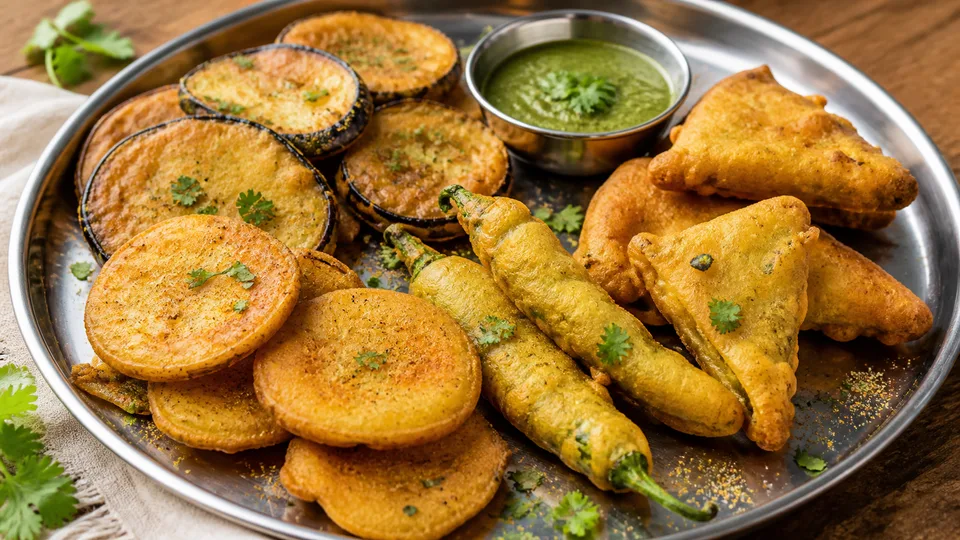
Crisp at the edges and tender through the middle, Homemade Samosa (Crispy & Flaky!) is a Indian appetizer made with all purpose flour (maida), ajwain, and salt. The recipe lays out the ingredients and each cooking step clearly, so you can adjust seasoning, texture, and serving size for your own kitchen.
Recipe Snapshot
- Prep time: 40 minutes
- Cook time: 30 minutes
- Total time: Not specified
- Yield: 14 samosa
- Category: Appetizer
- Cuisine: Indian
Ingredients
Samosa Dough
- 2 cups all purpose flour (maida) ([adjustable] 260 grams [/adjustable])
- 1 teaspoon ajwain (carom seeds)
- ¼ teaspoon salt
- 4 tablespoons + 1 teaspoon oil ([adjustable] 65 ml [/adjustable])
- water (to knead the dough, around 6 tablespoons)
Samosa Filling
- 3-4 medium potatoes ([adjustable] 500-550 grams [/adjustable])
- 2 tablespoons oil (I used avocado oil)
- 1 teaspoon cumin seeds
- 1 teaspoon fennel seeds
- 2 teaspoons coriander seeds (crushed)
- 1 teaspoon finely chopped ginger
- 1 green chili (chopped)
- ¼ teaspoon hing (asafoetida)
- ½ cup +2 tablespoons green peas (I used frozen green peas which I soaked in warm water for 10-15 minutes before using)
- 1 teaspoon coriander powder
- ½ teaspoon garam masala
- ½ teaspoon amchur (dried mango powder)
- ¼ teaspoon red chili powder (or add more to taste)
- ¾ teaspoon salt (or to taste)
Method
Make Samosa Dough
- Start by making the samosa dough. To a large bowl, add 2 cups flour (260 grams), 1 teaspoon ajwain and ¼ teaspoon salt. Mix well using a wire whisk or your hands. Add 4 tablespoons +1 teaspoon oil (65 ml) to the bowl and then start mixing the oil into the flour.
- Rub the flour with the oil using your fingers until the oil is well incorporated into the flour. Do this for 2 to 3 minutes, you don’t want to rush this step because this will make your dough crispy. Once the oil is incorporated, the mixture will resemble crumbs. Press some flour between your palm- it should form a shape (& not crumble) – that means oil is enough and well incorporated.
- Now, start adding water, little by little and mix to form a stiff dough. I used around 6 tablespoons water here, but it can vary. The dough needs to be stiff and not soft. Don’t knead the dough much.
- Cover the dough with a moist cloth and let the dough rest for 40 minutes. I usually soak a paper towel in water and then squeeze out all the water and then cover the dough with that. While the dough is resting, start working on the filling.
Make the potato filling
- Boil 4-5 medium potatoes (500-550 grams) until done- 8 to 9 whistles on high heat with natural pressure release if using stove-top pressure cooker or if using Instant Pot, add 1 cup water to the steel pot and then place a trivet inside, place the potatoes on top of the trivet and cook on high pressure for 12 minutes with natural pressure release. Once the potatoes are boiled, let them cool down a little and then carefully peel the skin of the potatoes and mash them using a potato masher. Set them aside.
- Now, heat 2 tablespoons oil in a pan on medium heat. Once the oil is hot, add 1 teaspoon cumin seeds, 1 teaspoon fennel seeds and 2 teaspoons coriander seeds (crushed using mortar pestle). Let the seeds sizzle for few seconds and then add 1 teaspoon chopped ginger, 1 green chili (chopped) and ¼ teaspoon hing. Cook for 1 minute.
- Add the boiled & mashed potatoes to the pan along with ½ cup + 2 tablespoons green peas to the pan. Turn heat to low-medium. Then add 1 teaspoon coriander powder, ½ teaspoon garam masala, ½ teaspoon amchur, ¼ teaspoon red chili powder (or to taste), and ¾ teaspoon salt (or to taste).
- Mix everything together using a spatula. I use my potato masher to combine the spices and seasonings well with the potatoes and peas. Once everything is well combined, remove the pan from heat and let the filling cool down a bit.
Shape & fry the Samosa
- Once the dough has rested, give it a quick knead and then divide the dough into 7 equal parts of around 58-60 grams each. Take one piece of dough and roll it into a thin circle, around 6 to 7 inches in diameter and 1/16 inch (or less) thickness, then cut the dough into two equal parts. Keep the remaining dough always covered with a moist cloth else the dough will dry out.
- Take one part of the cut circle and apply water on the straight edge/side. I usually mix some flour with water so that it forms a nice glue. Now bring the two ends of the straight edge together and pinch them to form a cone. Refer to step by step pictures in the post for a graphic representation which might be helpful. Pinch the pointed ends to make it a perfect cone shape.
- Fill the samosa with the prepared potato filling, around 1 to 2 tablespoons. Don’t overfill the samosa. Now again apply water all around the circumference of the cone as you must seal it. Pinch the opposite side (side opposite to where you pinched to form the cone) to form a plate (refer to step by step pictures in the post). Then pinch the edges and seal the samosa.
- Your samosa is now ready. Repeat with remaining dough and make all the samosas similarly. Always remember to keep the filled samosa covered with moist cloth while roll and fill the others.
- Now heat oil in a kadai on low heat (around 285-300 F). To check if oil is ready, drop a small piece of dough into the oil, it should take a few seconds to come up to the surface. That means the oil is ready. Or use a kitchen thermometer if you have one.
- Drop the shaped samosas into the oil. Fry on low heat. After around 10-12 minutes, the samosa will become firm and light brown in color. At this point, increase the heat to medium (around 350 F) and fry until it gets nicely browned. Don’t overcrowd the kadai/wok, fry 4-5 samosas at a time. And each batch will take around 15 to 20 minutes since we fry on low heat so be patient.
- Once you finish frying one batch, lower the heat again to low and wait until the temperature of the oil drops and then add the second batch. If you fry samosa on high heat, they will not get crispy and the dough will remain uncooked so regulating the oil temperature is crucial while making samosas. Fry all the samosa and then enjoy them hot with chutney!
Kiyaan Singh’s Kitchen Note
Keep this recipe as a working base: cook once as written, then adjust spice, texture, and serving style for your own table.